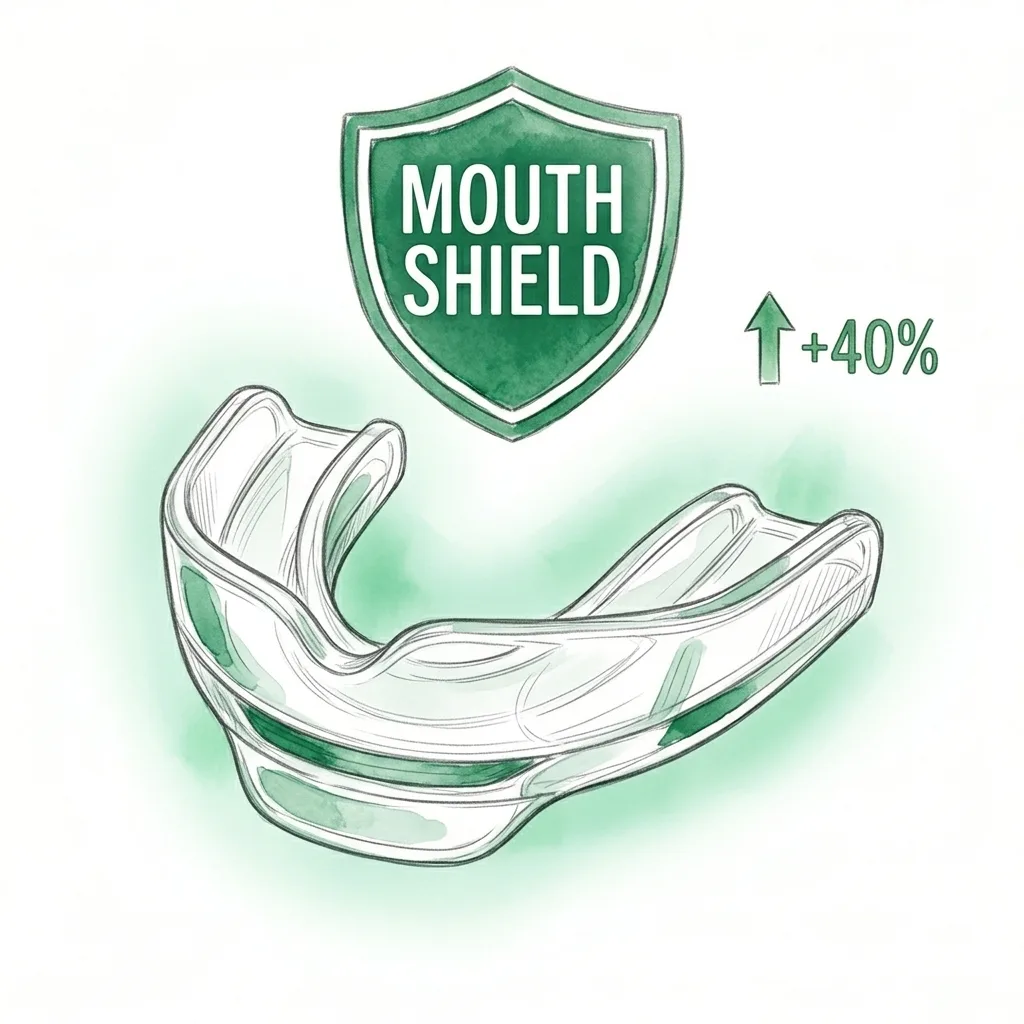
E-commerce+40%conversion lift
MouthShieldHeatmap analysis and six targeted changes took MouthShield from 4.69% to 6.6% conversion in 17 days.
Read case studyYou do not need a new website. You need a better version of the one you have.
Research what is underperforming, make targeted changes, and test them. All through chat.
Grona Team
Published 25 Feb 2026
Lovable, Replit, and Bolt are incredible. Chat with AI, get a website. Simple. The build-from-scratch experience has never been faster.
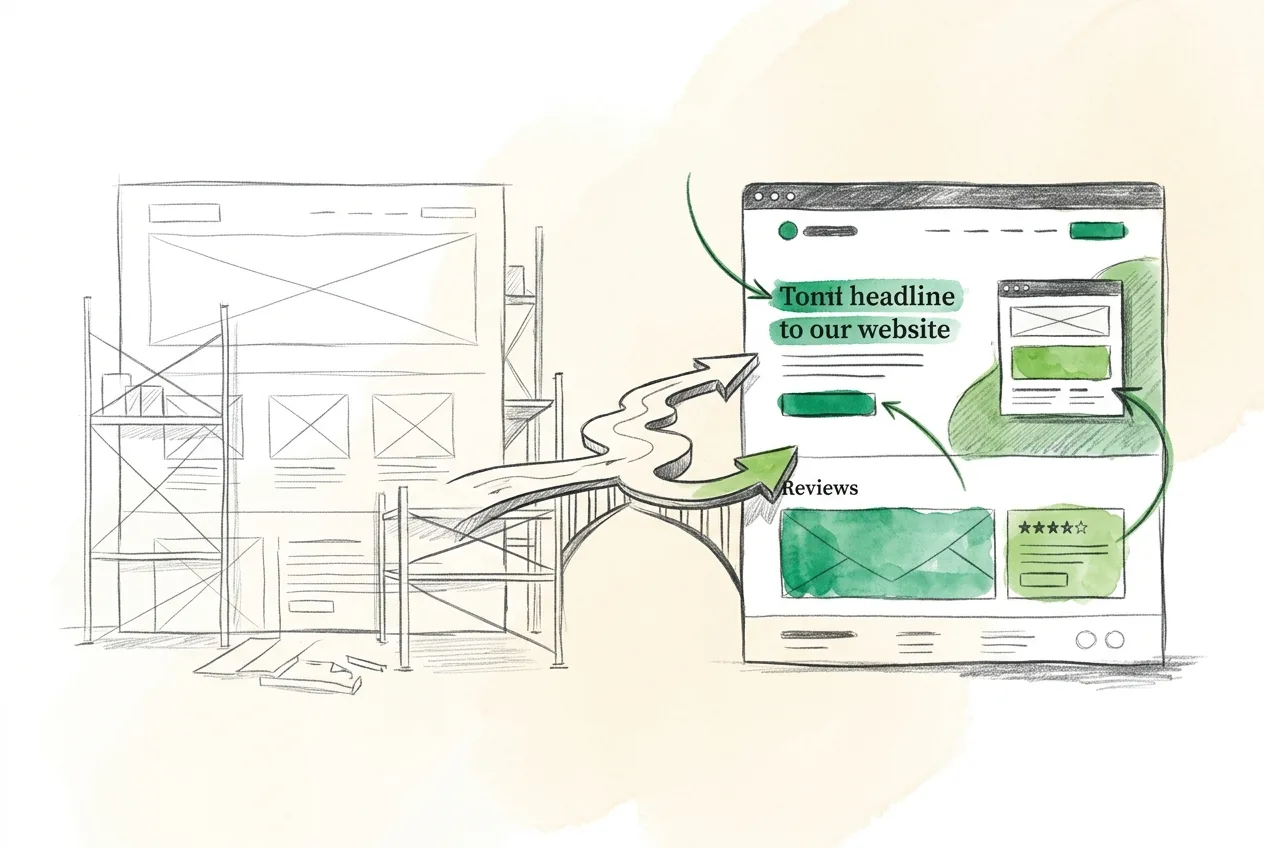
But you already have a website. It is live. It has SEO juice, backlinks, customer trust, and analytics history. Rebuilding from scratch means losing all of that.
The question is not “how do I build a new website by chatting?” The question is “how do I optimize the website I already have, using the same chat-first model?”
You do not need a new website. You need a better version of the one you have. This article shows exactly how.
Frustration with their current CMS. Inability to make changes quickly. The feeling of being “stuck” with a site that does not convert. The allure of starting fresh is real. When the tools that built your site become the tools that hold you back, a blank slate feels like freedom.
A full rebuild costs more than time and money. Here is what you put at risk:
SEO Rankings
Redirects break, rankings drop, recovery takes months. The organic traffic you built over years can vanish in a migration.
Backlinks
Links to old URLs return 404s or redirect chains. Every broken backlink is lost authority you cannot easily recover.
Analytics History
Your baseline resets to zero. Trend analysis, seasonal patterns, conversion benchmarks: all gone on day one.
Team Familiarity
Everyone learns a new system. Training time, new workflows, and the inevitable “how do I do X in this CMS?” questions for months.
Timeline: 3-6 months minimum for a meaningful rebuild. And most “redesigns” fail to improve conversion rates because they change everything at once with no testing. You cannot isolate what worked and what did not.
The rebuild instinct comes from workflow frustration, not website failure. The real problem is not the website. It is that you cannot change things fast enough. The site itself might be fine. The process for improving it is broken.
Changing everything at once is not optimization. It is gambling.
Describe what you want to build. AI builds it. You refine through chat. Deploy. Start with nothing, end with a website.
Paste your existing URL. Research competitors through chat. Describe changes. AI edits your live site. Preview. Deploy an A/B test. Start with your website, end with a better version of it.
The interaction model is identical: natural language in, website changes out. The difference is the starting point.
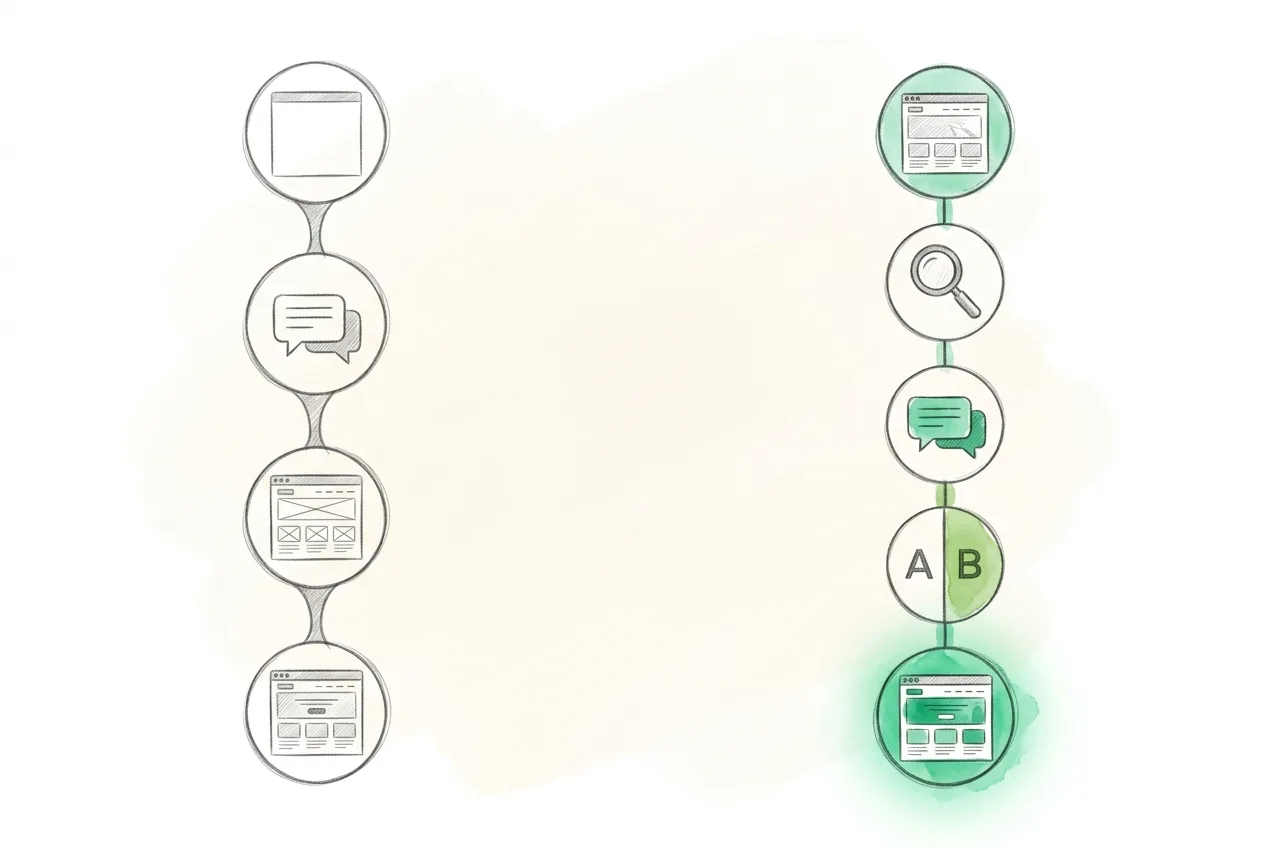
Build new
Lovable, Replit, Bolt
Start with nothing. End with a website.
Optimize existing
Grona
Start with your site. End with a better version.
This is how Grona works. You paste your URL, research competitors, describe changes, preview, and go live. One JavaScript snippet. No platform migration. Nothing to rebuild.
Your current CMS, hosting, and domain stay exactly as they are. Your existing SEO rankings, analytics history, and team workflow stay intact. What changes: you can now research competitors, edit pages, and test variations through a chat interface. Without filing a single dev ticket.
Same model: describe what you want, see it happen. Different starting point: your existing website.
Ask the AI to analyze your competitors' messaging, CTAs, and site structure. Pull traffic data. Compare your page against the category. You ask the questions. The AI finds the answers.
Rewrite headlines, change CTA copy, reorganize sections, add trust signals, move elements around. All through chat or point-and-click in the visual editor. Describe what you want in plain English. Review what the AI generates. Approve or refine.
Split traffic between original and variation. Track conversions in real time. The results show you which variant is winning. No guessing, no gut feelings, just data.
Every test teaches you something. The next test builds on the last. Optimization is a compounding practice, not a one-time project.
Your pricing page has a 2% conversion rate. You paste the URL.
You ask: “Show me how 5 competitors structure their pricing pages.”
The AI pulls their layouts, messaging, and CTA patterns. You notice: they all lead with annual pricing and highlight one recommended tier. Your page shows monthly pricing first and treats all tiers equally.
You describe the changes in chat: “Default to annual pricing. Highlight the Growth tier as recommended. Add a savings badge showing the annual discount.”
The AI generates the variation. You preview it. It looks right. You click Go Live. Traffic splits. Results in 2 weeks.
One change. Informed by data. Tested against the original. That is how you improve a website.
Whether your site runs on Shopify, WordPress, Webflow, or a custom stack, the workflow is the same: chat to research, chat to edit, test, and repeat.
Real result
Up to +33%
add-to-cart lift
DermaClear swapped ingredient-first copy for outcome-focused headlines. Tested with a single A/B test. Results in 12 days.
Read the full case studyRebuild if:
Optimize if:
The 80/20 reality: 80% of your conversion gains come from targeted changes to existing pages. Headlines, CTAs, social proof, page structure, pricing presentation. You do not need a new website for any of that.
Most sites do not need a new foundation. They need better rooms.
Your website has traffic, rankings, and trust. Build on that foundation instead of tearing it down.
The same chat-first model that made building websites easy now works for optimizing them. Research competitors, describe changes, preview variations, and test. All without a developer, a redesign, or a single line of code.
Proof it works
Real businesses. Real metrics. All tested with Grona.
Heatmap analysis and six targeted changes took MouthShield from 4.69% to 6.6% conversion in 17 days.
Read case study
Swapped ingredient-first copy for outcome-focused headlines. Results in 12 days.
Read case study
Changed 'Get Started' to 'Talk to an HR Expert' and cut form fields from 9 to 5. 14 days.
Read case studyWeekly insights on A/B testing, personalization, and conversion optimization.